TALES OF CONSUMPTION (2006–2012)
A cycle of sleek, intensely coloured vector works reflecting on food consumption in its wider cultural context. The series moves between folklore, ritual and contemporary anxieties surrounding food production and eating habits.
The works range from a set of postcard-like compositions inspired by the blunt decorative language of early twentieth-century food shops to stylised portraits of food makers and culinary traditions from Poland, Finland and Japan.
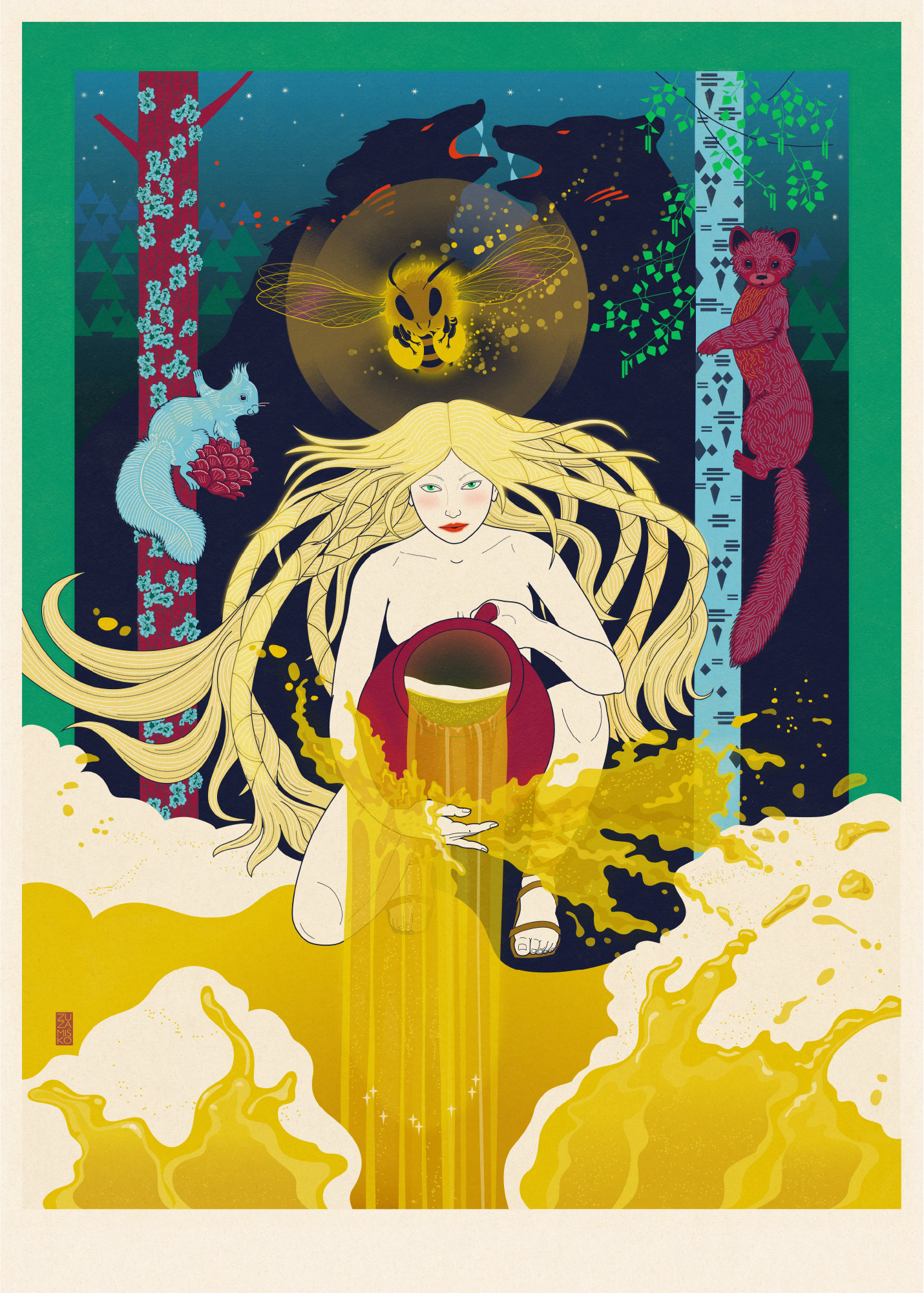
Birth Of Beer (After Kalevala), digital artwork, 2012
Taste preferences and culinary traditions are vital elements of culture—deeply rooted in identity and as powerful as language. Sharing a meal connects people, forms the heart of rituals, and carries symbolic weight. No wonder then, that food is such a compelling subject in visual art—ranging from meditative still lifes to the countless photos of morning coffee uploaded daily to Instagram.
Corneaters (2010) reflects on the blurred lines between fact and myth surrounding GMO crops, childhood obesity in the U.S., and the quiet disappearance of monarch butterflies.
Corn syrup, cane sugar, and sunflower oil swirl in a scene of overindulgence, quietly watched by the corn weevil Sitophilus zeamais, a silent but ever-present consumer itself.
Corneaters (2010) reflects on the blurred lines between fact and myth surrounding GMO crops, childhood obesity in the U.S., and the quiet disappearance of monarch butterflies.
Corn syrup, cane sugar, and sunflower oil swirl in a scene of overindulgence, quietly watched by the corn weevil Sitophilus zeamais, a silent but ever-present consumer itself.
Corneaters, digital, 2010
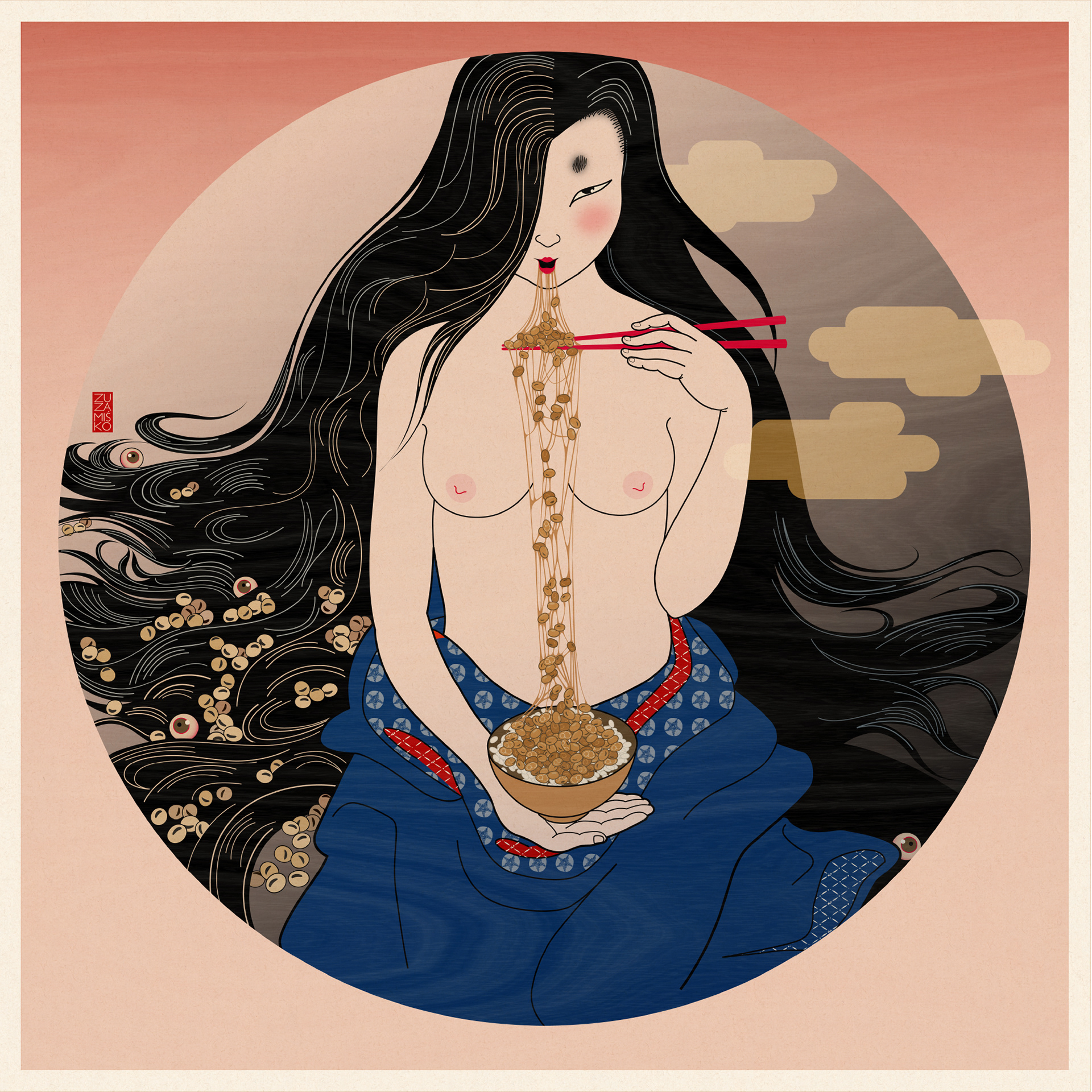
Nattō, digital artwork, 2010
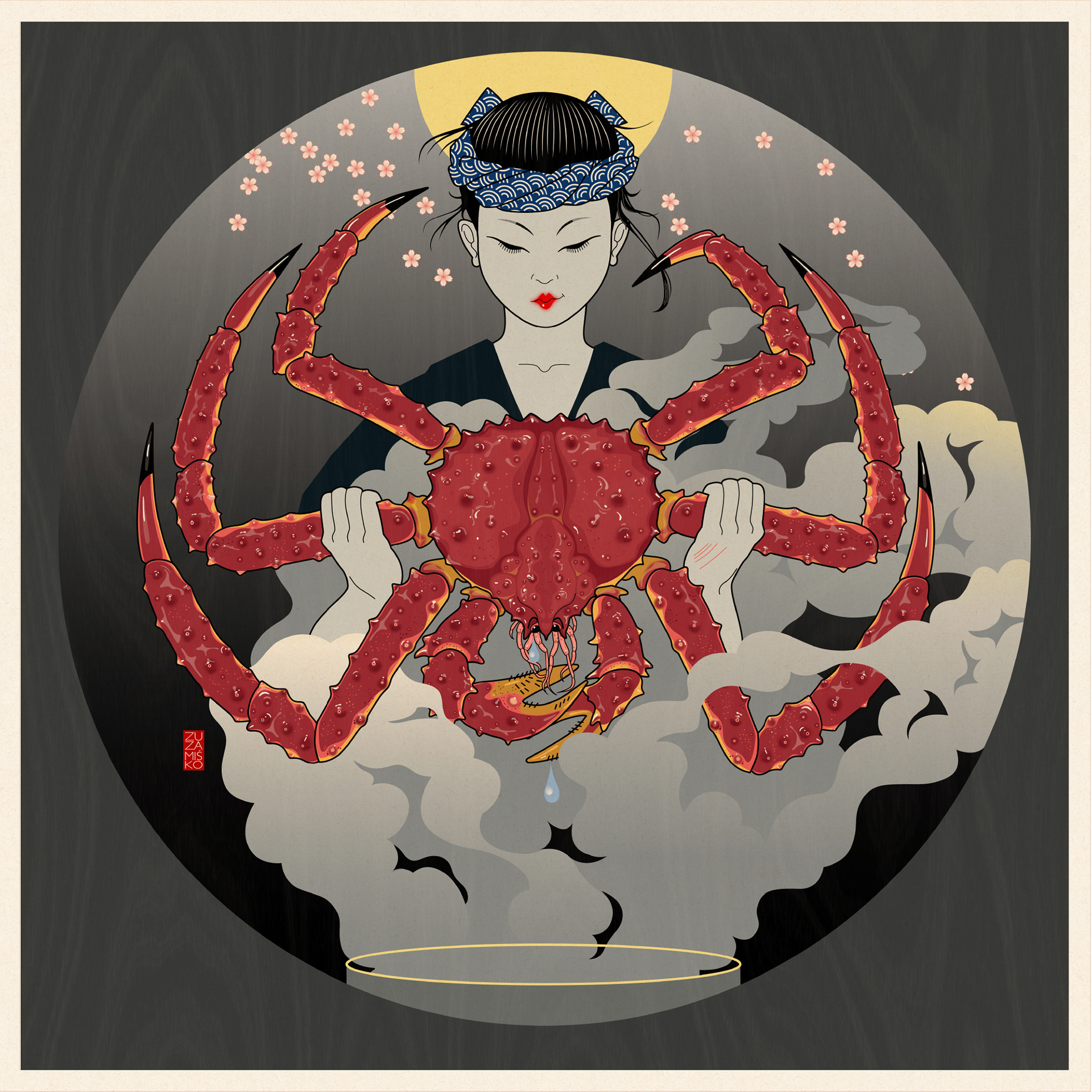
Kani, digital artwork, 2012
_
Nattō—fermented soybeans—and kani miso—a delicacy made from the innards of the king crab—remain acquired tastes even in their native Japan. While health websites occasionally sing the praises of nattō, its aroma and texture keep it on the fringes abroad.
King crab meat (kani miso), on the other hand, is more universally embraced. In Japanese markets and restaurants, giant crabs with bound claws wait to be prepared for local and tourist palates alike. Yet kani miso rarely features on the tourist menu. This rich, paste-like dish made from the crab’s brain and organs has a look that defies Western expectations. For foreign diners, eating nattō or kani miso together with Japanese hosts often becomes a small ritual of cultural crossing, where unfamiliar flavours momentarily erase the sense of strangeness.
Apium Regis, digital, 2010
Meanwhile, in the Western world, the simple joy of eating seems increasingly fraught. Torn between ethical concerns for animals and our appetite for meat—and aware that even plant farming alters ecosystems—we find ourselves picking at our plates with growing unease.
Not long ago, cheerful cartoon pigs with clovers in their mouths seemed to volunteer themselves to the butcher’s knife, and quirky, imperfect vegetables winked from market stalls. Beer, like in the Finnish epic Kalevala, was a product of magic. The Baltic Sea offered up oily, healthy fish in abundance.
Flądra Bałtycka, digital, 2011
Warszawski Baleron, digital, 2012
Even butter—churned in a wooden barrel by a highlander girl, shaped into a heart and covered with horseradish leaf—had a kind of sacred aura. Unregulated cows grazed on wild alpine herbs, passing their healing properties into milk. Butter pats bore the sign of the cross carved into the mold—a quiet ritual, merging nourishment with reverence.
Today, our culinary future feels more uncertain—tight in the throat, tinged with anxiety, and textured like bland porridge. There’s a faint scent of conspiracy in the air, whispers of corporate control.
Still, as the old highlander saying goes: "Eat heartily while your soul’s in your body—for once it leaves, it won’t be hungry."
Zuza Miśko 2015 (exhibition catalogue text)
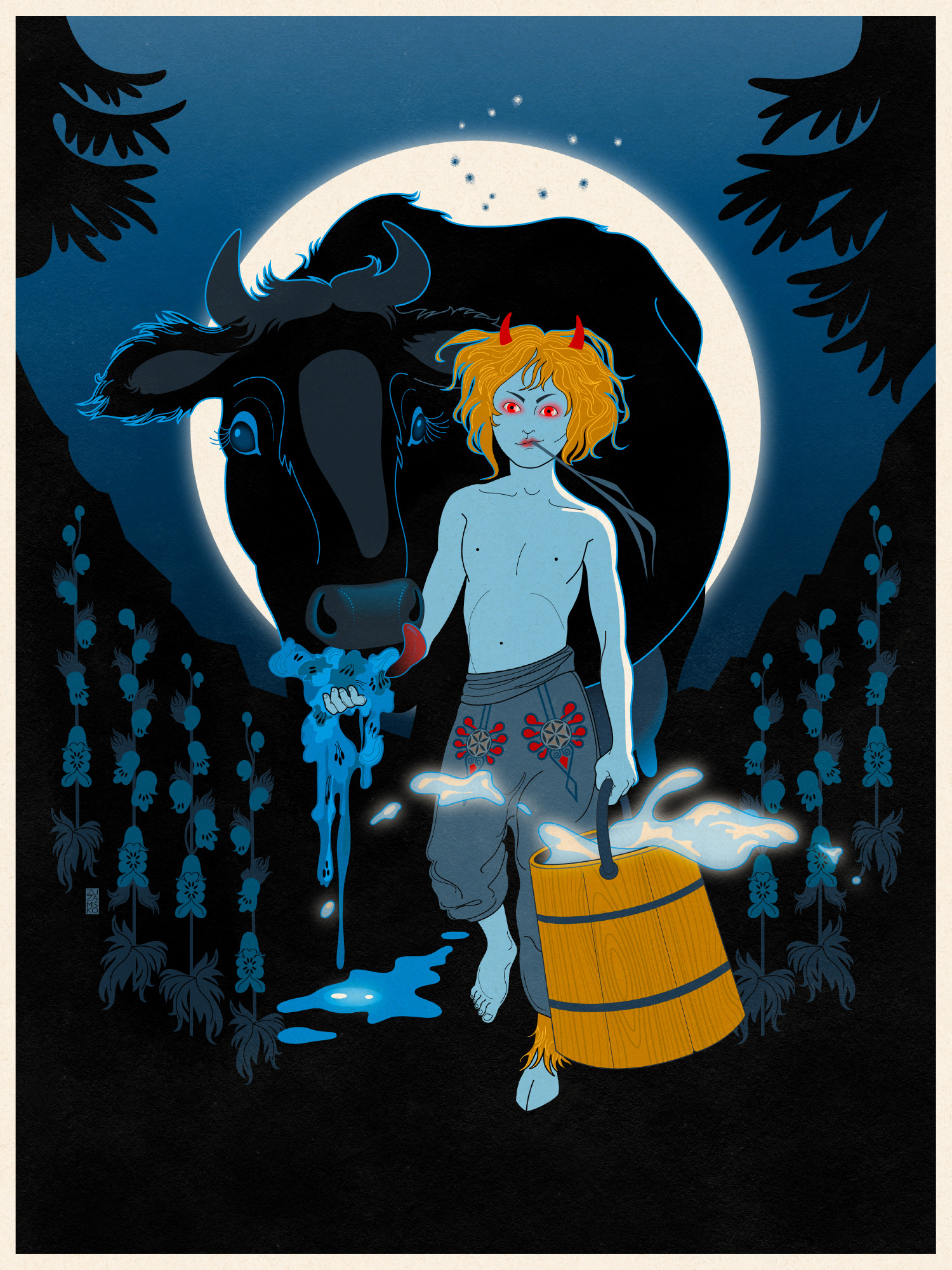
At Night In Mountains (Boy), digital artwork, 2011
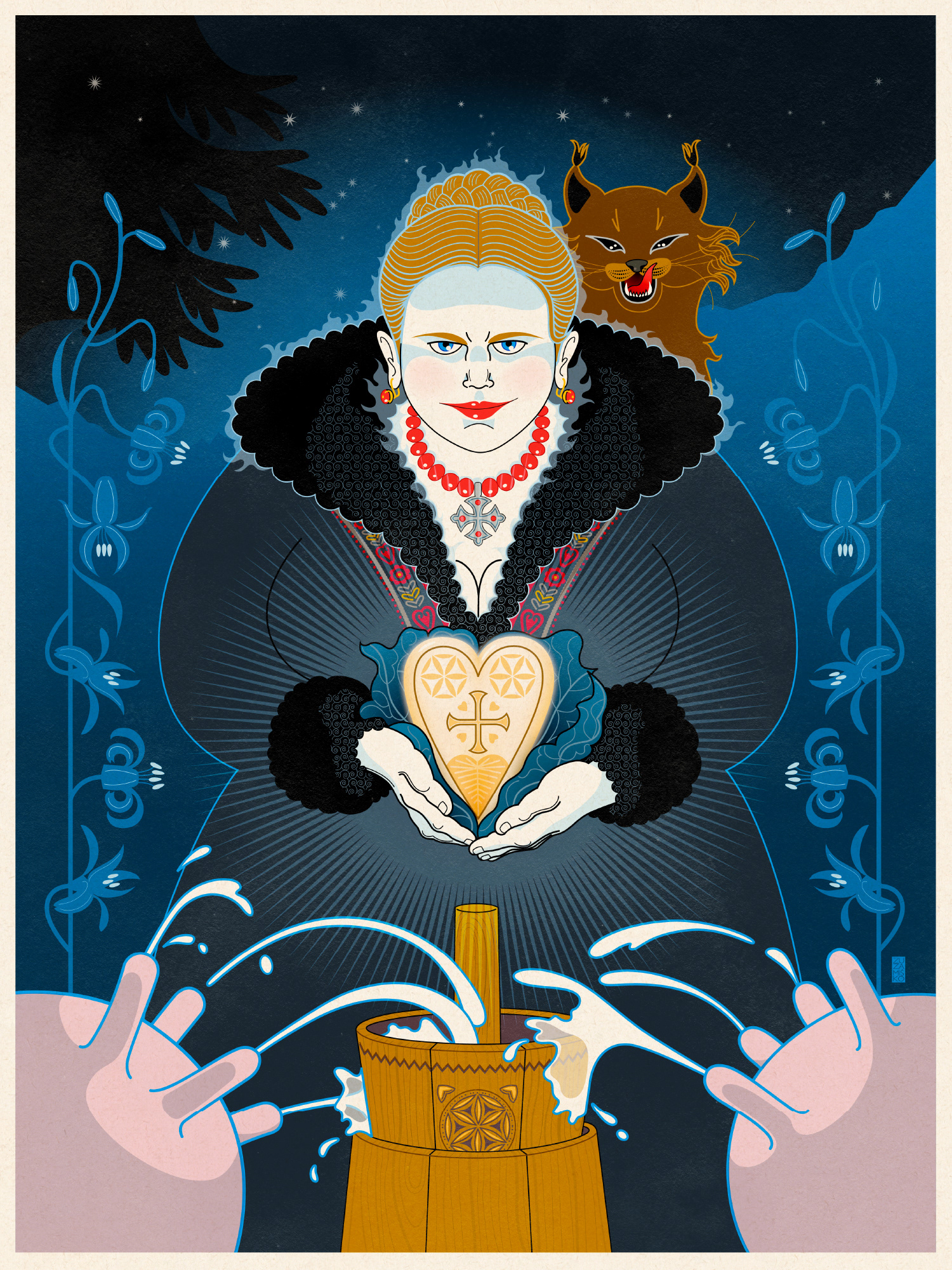
At Night In Mountains (Butter), digital artwork, 2011
At Night In Mountains (Girl), digital artwork, 2011
At Night In Mountains, digital artwork, 2011
_